
Why the Science of Reading Matters
What I Wish I’d Known As A First-Grade Teacher
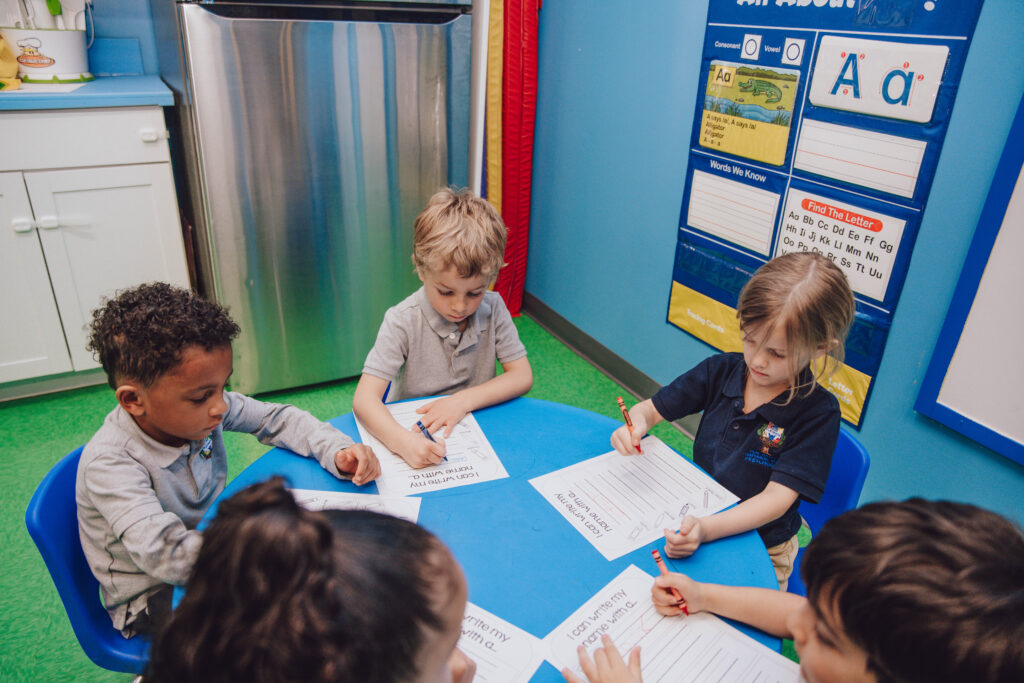
When I stepped into my first-grade classroom over a decade ago, I was filled with energy and determination. Like many teachers, I poured myself into building a warm, engaging space with word walls, picture books, and songs. My students loved learning, but year after year, I noticed the same pattern: some children exceled in reading, while others continued to struggle.
At the time, I didn’t have the language or tools to fully understand why. I knew these students were capable, but I couldn’t always pinpoint how to best support them. It was frustrating, and I carried that with me.
Fast forward to today, and research has given us a much clearer roadmap: the Science of Reading. Unlike the methods I relied on, which were often based on best guesses or tradition, the Science of Reading is grounded in decades of interdisciplinary research about how the brain actually learns to read. It emphasizes explicit, systematic instruction in phonemic awareness, phonics, fluency, vocabulary, and comprehension, skills every child needs, not just the ones who seem to “catch on” naturally.
Looking back, I can see so clearly how my own students would have benefited from this approach. The child who memorized words but froze when presented with something new… the child who loved stories but couldn’t sound out basic words… they needed structured, evidence-based instruction.
The Science of Reading matters because it ensures that no child is left guessing at one of the most essential skills of their life. It gives teachers the tools we wish we’d had years ago. And most importantly, it unlocks the joy and confidence of reading for every student—not just the few who seem to “get it” on their own.